
The Hailey Bieber blueprint: how Rhode went from 2022 launch to a $1 billion sale in three years
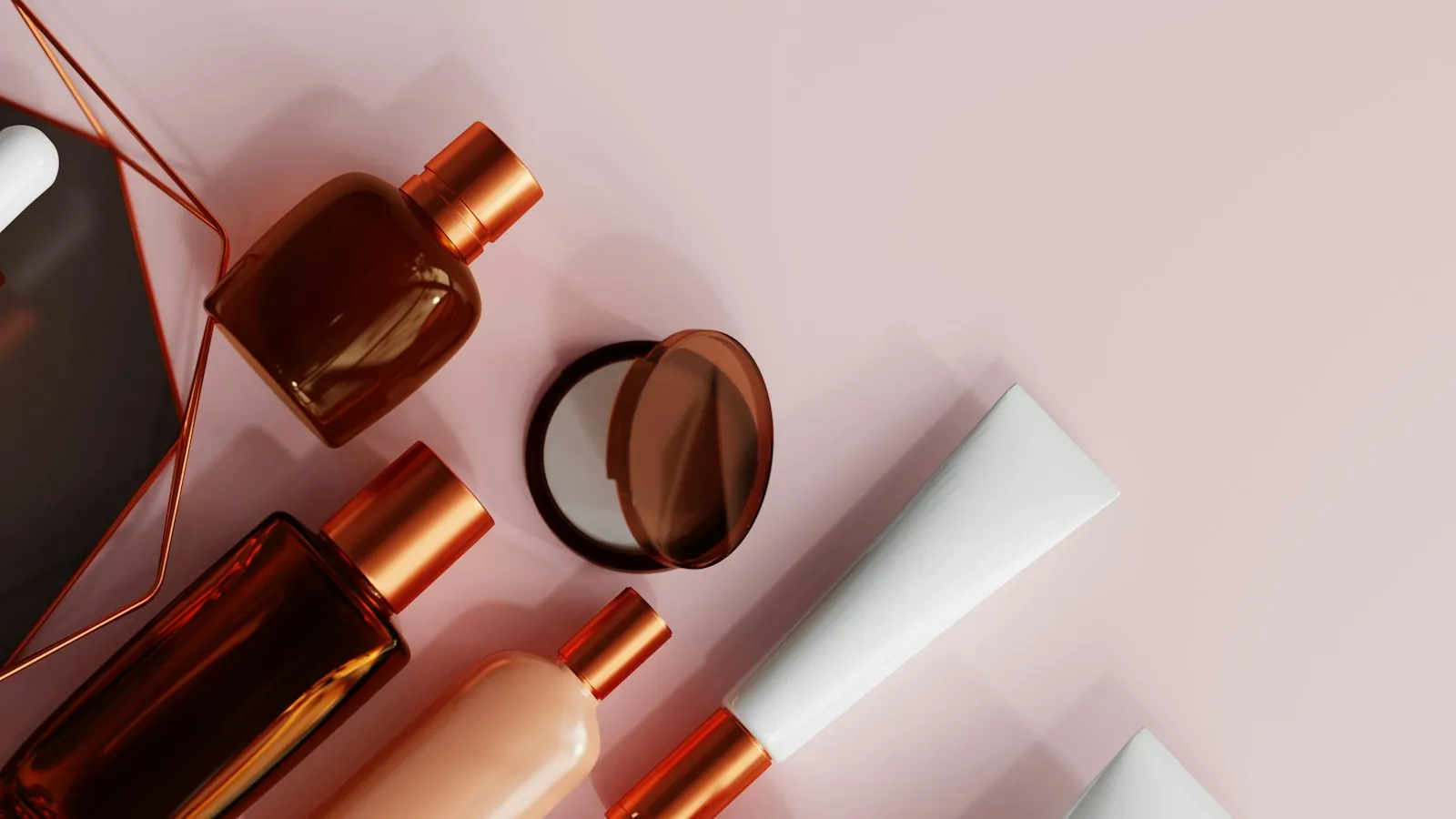
In June 2022, Hailey Bieber launched a three-product skincare line called Rhode. Peptide Glazing Fluid. Peptide Lip Treatment. Barrier Restore Cream. A Shopify storefront. No retail. No Sephora deal. A founder with twenty million Instagram followers and a willingness to apply her own product on camera at three in the morning.
Three years later, in May 2025, e.l.f. Beauty paid up to $1 billion for the company — $600 million in cash and stock at close, plus a $200 million earnout tied to performance milestones over the following three years. Rhode had run $212 million in net sales over the trailing twelve months at the time of the deal. The acquisition multiple was just under 4x revenue, generous for a beauty brand but not historically unusual for a fast-growing one. The trade press treated the deal as a defining moment in celebrity-led direct-to-consumer commerce. They were right to.
The thing worth examining is not whether Rhode was a successful brand. The thing worth examining is how the playbook Bieber ran differs from every previous celebrity beauty launch — and what the e.l.f. acquisition actually says about the value of that playbook now.
What Bieber did differently
Rhode was not the first celebrity-led clean-beauty brand. Jessica Alba’s Honest Company had taken the same audience public on Nasdaq four years earlier. Gwyneth Paltrow’s Goop had been operating since 2008. Selena Gomez’s Rare Beauty had launched in 2020 and crossed a billion in retail sales by 2024.
Bieber’s approach broke from the standard celebrity-led model in four specific ways. None of them were technologically novel. All of them compounded.
She kept the catalog tiny. The launch SKU count was three. The first year’s total was under ten. Compare to a typical celebrity beauty launch, which arrives with twenty to forty SKUs and a full color story. Rhode’s discipline kept inventory simple, kept the marketing focused, and made each new product launch feel like an event rather than another item on a shelf.
She owned the channel for two years. Rhode sold direct-to-consumer through rhodeskin.com only, until the Sephora wholesale deal in October 2024. Most celebrity-led brands take the retail money on day one. Bieber chose to capture the DTC customer relationship and the full margin first, then let Sephora become the distribution layer once the brand identity was set.
She made the product physically inseparable from her phone. The Rhode Lip Case, launched in mid-2023, was a phone case with a slot that holds the Peptide Lip Tint. It is the single most-cited product decision in the company’s history. It put a Rhode product on every photo Bieber ever appeared in for the next two years. It also went viral on TikTok and produced the kind of demand-spike that took months to fulfill. The product had crossed a million units sold by the company’s own count within six months of launch.
She did her own creative. Bieber is the most-cited example of a founder-CEO in modern celebrity beauty who actually shoots her own content. Not every post — the company has a real marketing team — but the originating creative direction came from her. The Glossy retrospective on Rhode’s run quotes brand executives who describe her as the actual creative director, not a name on a contract.
How TikTok did the heavy lifting
Rhode launched five months after TikTok had decisively passed Instagram in monthly engaged hours among U.S. women under 40. The brand was TikTok-native in a way Glossier and Honest, both launched in earlier platform eras, could not have been.
The Glazing Fluid launch video — Bieber applying the product in her bathroom mirror at what looked like 2 a.m. — produced more than 100 million collective views across her own posts and creator reposts in the first month. The Lip Case launch the following year accumulated more than 200 million views during its release window. The launches were unpaid in the sense that the company spent no media budget on the videos. They were paid in the sense that the founder’s audience and attention were the inputs.
The mechanic underneath is the same one the influencer-marketing pillar documents. Audience trust converts to attributed purchase. The variation Rhode introduced is that the brand and the audience were the same asset. Bieber’s twenty-million-follower audience was not being paid to recommend Rhode. The audience was Rhode.
Why e.l.f. paid what it paid
E.l.f. Beauty is the largest pure-play mass-market beauty company in the U.S. by unit volume. The company’s strategy under CEO Tarang Amin has been to acquire brands that reach demographics e.l.f.’s core prestige-value positioning doesn’t naturally cover. Naturium (acquired 2023 for $355 million). Keys Soulcare (acquired 2020). And now Rhode.
The WWD coverage of the Rhode deal characterizes the acquisition logic in straightforward terms. E.l.f. gets a brand operating at the prestige price point that its core e.l.f. Cosmetics line cannot reach. E.l.f. gets a celebrity founder still actively involved in creative direction. E.l.f. gets a TikTok-native distribution program that complements its own social-media-led marketing. And e.l.f. pays for it with stock that gives the Rhode team ongoing upside on e.l.f.’s combined performance.
Bieber is staying on as Chief Creative Officer. She picked up an e.l.f. board seat as part of the deal. The $200 million earnout means her continued involvement matters financially to e.l.f. through 2028 at the earliest.
Where this fits in the broader picture
Three creator-or-celebrity-led commerce businesses have now produced nine-figure exits in the same operating window. Dollar Shave Club to Unilever for $1 billion in 2016. Rhode to e.l.f. for $1 billion in 2025. The Honest Company has held an IPO valuation in that range across its public-market history. Each one runs on the same underlying mechanic: a founder builds an audience first, then converts the audience’s trust into attributed commerce that scales beyond what paid marketing alone could produce.
The pattern is no longer an outlier. It is a category. The companies that figured out the operating discipline early — keep the catalog small, own the customer relationship at the brand, let the founder actually do the creative — are now producing the largest exits the beauty and personal-care industry has seen this decade.
Hailey Bieber didn’t invent the playbook. She executed it more cleanly than anyone else in her cohort, at a moment when the platform infrastructure made the execution legible. E.l.f. paid a billion dollars for what she built. The next celebrity-led brand to launch will be judged against the standard Rhode just set.
Sources
- e.l.f. Beauty — Acquisition of Rhode announcement (May 28, 2025)company-document
- WWD — e.l.f. Beauty acquires Rhode for $1 billionjournalism
- Glossy — Inside Rhode's three-year run to a $1 billion exitjournalism
- Rhode corporate sitecompany-document
- Hailey Bieber on Wikipediasecondary